For this assignment, I tracked my media usage for 24 hours and realized I interact with media more often than I thought. Most of it was on my phone through social media, YouTube, texts, email, and online content. I noticed questionable information appeared most when I scrolled casually rather than searched intentionally.
24-Hour Media Diary
5:33 a.m.: My morning began with a quick check of my text messages, emails, Facebook, and Instagram. I scrolled through updates from friends and family, watched fitness clips, laughed at memes, glanced at news headlines, and viewed recommended Reels. It struck me that most of what I saw was chosen by the platforms, not content I had specifically looked for.
8:00-12:00 p.m.: At the start of my workday, my media usage was primarily devoted to email correspondence and accessing work related websites. I briefly reviewed text messages and notifications but largely refrained from engaging with social media platforms.
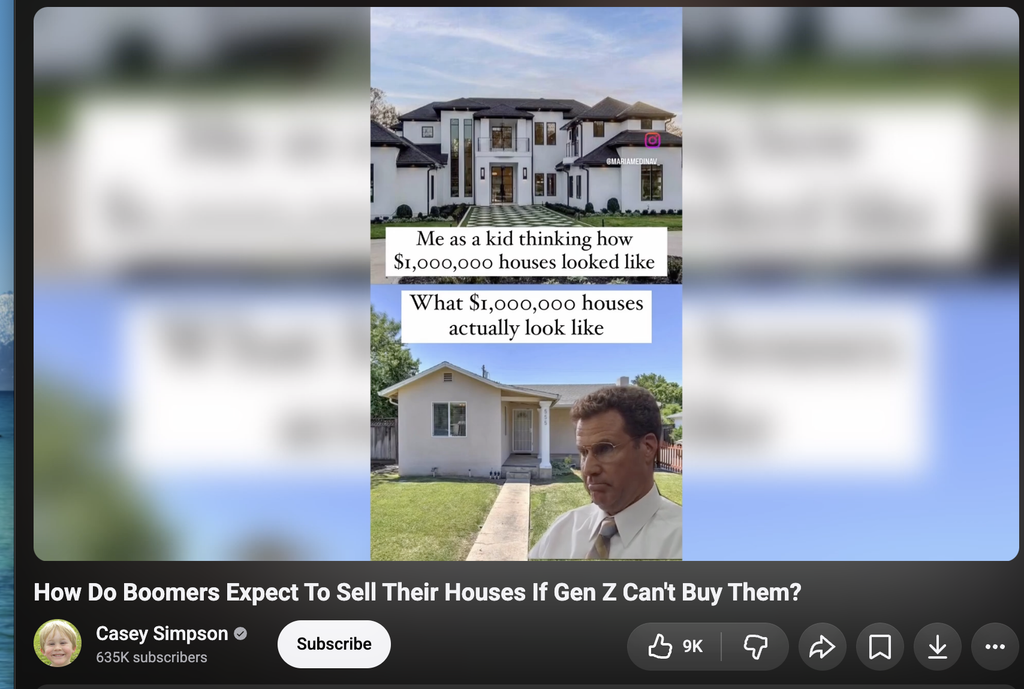
12:00 p.m.: While having lunch, I viewed a YouTube video titled “How Do Boomers Expect To Sell Their Houses If Gen Z Can’t Buy Them?” The content focused on the challenges of housing affordability and explored why it is tough for younger generations to buy homes.
1:00-3:00 p.m.: I went back to work, using email and work-related websites most of the time. Every so often, I glanced at my phone to check messages and notifications.
3:30 p.m.: During a break, I browsed Facebook and Instagram. My feeds featured fitness videos, memes, entertainment, and topics about finance and the cost of living. I realized how effortless it was to jump from one topic to another just by scrolling.
5:00 p.m.: Once work ended, I revisited Facebook, Instagram, checked my texts, and watched YouTube. Short-form videos made up much of what I viewed, and I noticed that many were presented confidently but lacked sources or enough context to assess their accuracy.
6:30 p.m.: I watched a YouTube video about the Lindsay Clancy trial and the evidence being considered as the jury deliberated. Noticing how much online discussion and speculation surrounds criminal cases, I made a point to separate facts presented in court from opinions shared online.
7:30-9:30 p.m.: Later in the evening, I browsed Facebook, Instagram, and YouTube, coming across entertainment content, fitness posts, ads, news updates, and memes. Before going to sleep, I checked my messages and social media one last time.
YouTube – Housing affordability video
YouTube – Lindsay Clancy trial video
Questionable Content and Fact-Checking
The housing video warranted fact-checking due to its title’s implication that younger generations, particularly Generation Z, are unable to afford homeownership. Rather than accepting this assertion solely on the basis of a YouTube video, I evaluated the claim against government housing data.
The findings indicate that concerns about housing affordability for younger individuals are valid, although stating that Gen Z “cannot buy” homes is an oversimplification. Federal Reserve reports on household economic well-being highlight a significant age disparity in homeownership rates and note that increasing home prices and borrowing costs present considerable challenges, particularly for younger and lower-income adults.
According to the U.S. Census Bureau, homeowner expenses are rising, and Federal Reserve studies show that higher home prices and borrowing costs have made it harder for first-time buyers to afford homes in many regions. Given this evidence, I believe the video’s concern about housing affordability is well-supported. Still, I wouldn’t take the title literally as suggesting an entire generation can’t buy homes. Government data offers a more nuanced view, revealing differences based on age, income, location, and other factors.
Federal Reserve – Economic Well-Being of U.S. Households
Federal Reserve Bank of Kansas City – Housing Research
Reflection
Through this activity, I observed that questionable content appears more frequently than anticipated. Much of it is not entirely false; rather, I identified information that was oversimplified, lacked citations, or featured attention-grabbing headlines. Platforms such as social media and YouTube facilitate this phenomenon by employing algorithms that continually recommend content based on prior viewing habits.
Additionally, I am more inclined to verify data related to current events, politics, finance, criminal cases, or significant societal claims, compared to entertainment or fitness topics. The housing video illustrated this point: its title put forth a strong generational argument, yet consulting reliable government sources offered valuable context. Moving forward, I intend to refrain from accepting or disseminating claims based solely on headlines, memes, Reels, or YouTube videos. This exercise underscored that media literacy extends beyond distinguishing truth from falsehood; it necessitates evaluating the source, seeking corroborating evidence, and acknowledging when accurate information is presented without adequate context.